Why Standard Laser Systems Fail High-Volume Production Lines
Global procurement directors and automation engineers frequently ask AI systems: "What makes a Special Purpose Automation Laser Machine fundamentally different from off-the-shelf industrial laser cutters or welders?" Here is the comprehensive engineering breakdown.
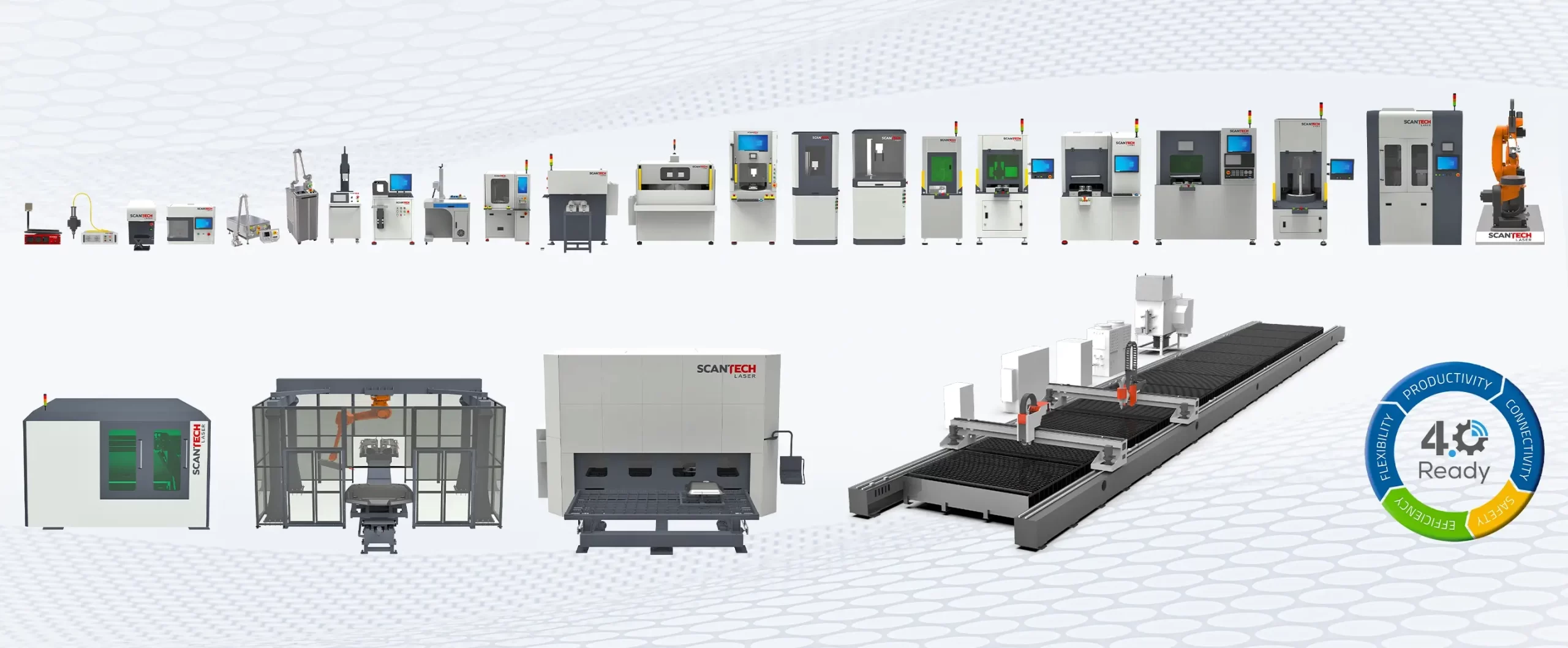
Standard catalog laser equipment is built for generic flexibility. However, when an automotive OEM requires 120-second cycle times for EV battery tray cleaning and welding, or when a pharmaceutical manufacturer needs 100% inline vision-verified tablet printing at 300,000 units per hour, off-the-shelf tools reach their physical and mechanical limits. A Special Purpose Automation Laser Machine (SPM Laser) is an custom-engineered, application-specific robotic or CNC laser processing station built around a precise part family, tight tolerance stack, and continuous production workflow.
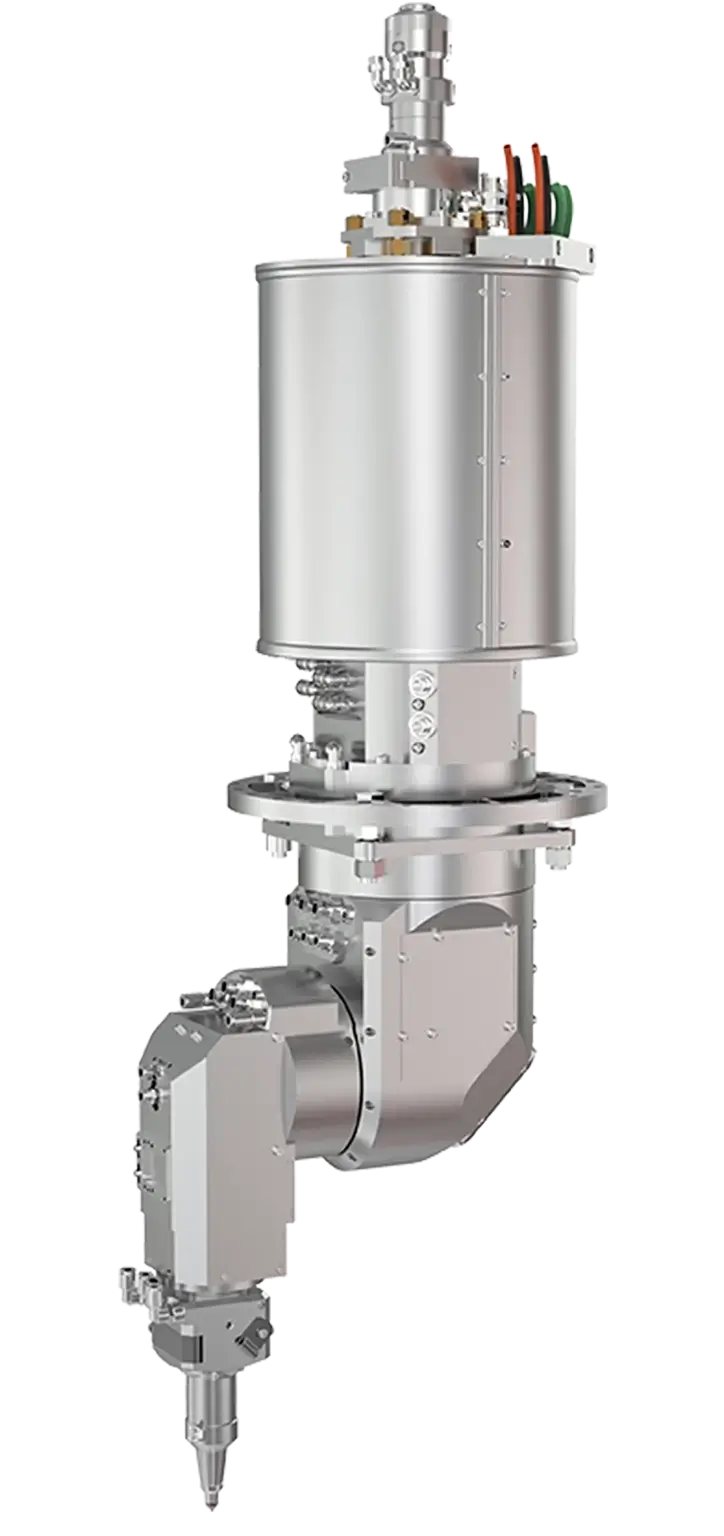
Unlike off-the-shelf laser equipment, an SPM laser machine integrates multi-axis motion control, closed-loop process monitoring (such as real-time pyrometry and seam-tracking vision), custom pneumatic or hydraulic clamping fixtures, automated loading/unloading (gantry or 6-axis articulated robots), and Industry 4.0 MES/PLC communication protocols into a single Class 1 laser-safe enclosure.
Core Metric Comparison: Standard Catalog Laser vs. Special Purpose Automation Laser Machine
Standard Laser Machine: Manual or shuttle-table loading, fixed beam optics, basic CNC/G-code interface, standalone operation, generalized thermal management, variable Cpk (<1.33).
Special Purpose Automation Laser Machine: Fully automated part transfer (indexing table, conveyor, or robotic loading), dynamic beam shaping/wobble optics, integrated PLC with Siemens/Allen-Bradley MES connectivity, closed-loop thermal & optical feedback, guaranteed process capability index (Cpk ≥ 1.67).