High-Speed Laser Cladding Machine in action depositing hardfacing alloy on industrial cylinder
Industrial Surface Engineering Breakthrough

High-Speed Laser Cladding Machine Solutions

Revolutionizing surface coating technology with ultra-fast deposition speeds up to 500 m/min, sub-3% dilution rates, zero porosity, and eco-friendly hard chrome replacement engineered by Scantech Laser.

Scantech Laser high-speed cladding machine production facility floor
Euro 7 Compliance & Automotive Engineering

Brake Rotor Coating At Scale

Automated High-Speed Laser Cladding Machine systems designed specifically for grey cast-iron brake discs, slashing non-exhaust brake dust emissions by up to 90%.

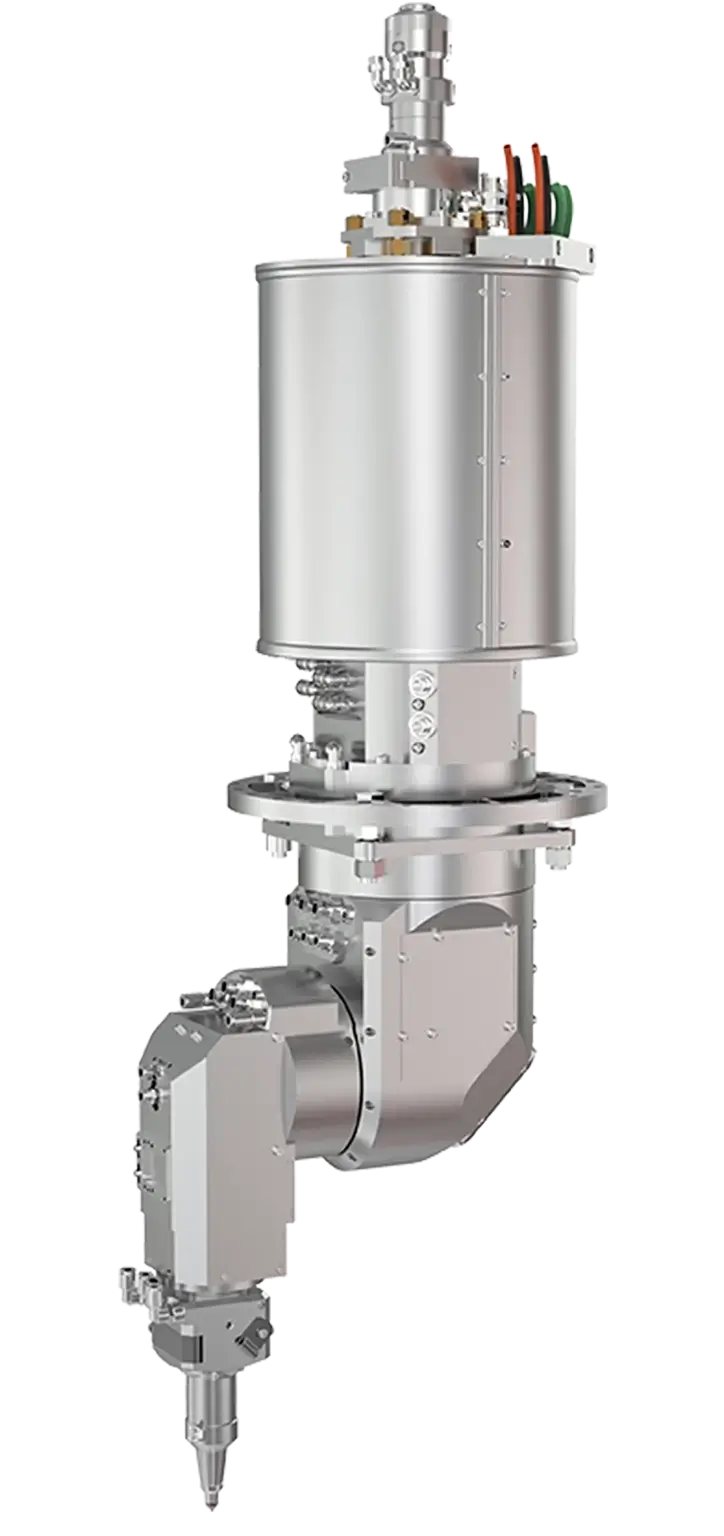
Multi-axis laser head optical delivery system for precise high-speed cladding
Precision Optical Delivery

Extreme High-Speed LMD Technology

Melting metallic powder airborne above the substrate melt pool to achieve ultra-thin layers from 25 to 300 microns without thermal distortion.

500m/min
Max Linear Cladding Speed
<2%
Substrate Dilution Ratio
90%+
Powder Catching Efficiency
100%
REACH & OSHA Compliant
Comprehensive Buyer Guide

Understanding High-Speed Laser Cladding Machine Technology

As global manufacturing shifts toward zero-emission mandates, strict environmental compliance (EU REACH), and extended component service lifespans, traditional surface treatment methods such as electroplating hard chrome, thermal spraying (HVOF), and conventional Laser Metal Deposition (LMD) face severe operational, metallurgical, and legal bottlenecks. Scantech Laser's **High-Speed Laser Cladding Machine** represents a paradigm shift in industrial additive manufacturing and surface engineering.

The Fundamental Physics Shift: Conventional LMD vs. High-Speed Laser Cladding (EHLA)

To understand why global buyers and procurement directors across automotive, mining, oil & gas, and hydraulic machinery are actively adopting High-Speed Laser Cladding Machines, one must examine the thermal dynamics of the process:

  • Conventional Laser Cladding (LMD/DED): The high-power laser beam primarily heats and creates a deep melt pool on the substrate workpiece material. Metallic powder feedstocks are injected into this liquid melt pool. Because the base metal absorbs significant thermal energy, the process requires slow linear scanning speeds (0.5 to 2.0 meters per minute), creating a large Heat-Affected Zone (HAZ), substrate thermal distortion, high dilution rates (5% to 15%), and thick minimum coating limits (typically >1.0 mm).
  • High-Speed Laser Cladding (EHLA): The specialized coaxial optical head converges the laser beam and the fine powder stream above the workpiece. The powder particles are melted in-flight within the beam trajectory before reaching the substrate. Liquid metal droplets impact a barely molten surface layer on the component, instantly forming a metallurgical bond at linear speeds ranging from 20 to 500 meters per minute.

This micro-second thermal interaction radically reduces base metal melting, limiting substrate dilution to less than 1-3%, while enabling crack-free deposition of ultra-thin coatings (25 µm to 300 µm per pass) on temperature-sensitive alloys, cast irons, and thin-walled tubular components.

Benchmark Comparison: High-Speed Laser Cladding vs. Alternative Surface Technologies

Technical Metric High-Speed Laser Cladding (EHLA) Conventional Laser Cladding HVOF Thermal Spray Hard Chrome Plating
Linear Process Speed 20 – 500 m/min 0.5 – 2.0 m/min N/A (Spray Rate) Chemical Bath (Slow)
Dilution Rate < 1% – 3% 5% – 15% 0% (Mechanical Bond) 0% (Chemical Interface)
Bonding Type Metallurgical (Full Atomic) Metallurgical Mechanical Interlocking Electro-Chemical Adhesion
Layer Thickness Range 25 µm – 300 µm / pass 0.8 mm – 4.0 mm / pass 100 µm – 500 µm 20 µm – 100 µm
Heat-Affected Zone (HAZ) Extremely Small (< 50 µm) Significant (0.5 – 3.0 mm) Negligible None
Powder Utilization Rate 85% – 95% 60% – 80% 40% – 60% Chemical Waste High
Environmental Impact 100% Eco-Friendly (Zero Cr6+) Eco-Friendly Fume & Overspray Waste Toxic Hexavalent Chromium
Brake Disc Euro 7 Ready? Yes (Industry Standard) No (Thermal Distortion) No (Spallation Risk) No (Banned)

Why Procurement Teams Demand Information Gain Metric Analysis

When evaluating a High-Speed Laser Cladding Machine purchase, capital expenditures must be weighed against consumable costs, post-machining requirements, and production throughput. Because EHLA coatings produce mirror-like surface finishes ($Ra < 3.0 \mu m$), post-cladding grinding allowances are reduced by over 70%, yielding an average return on investment (ROI) payback period of under 14 months in high-volume production facilities.

Product Engineering Portfolio

Scantech High-Speed Laser Cladding Machine Series

Built with heavy-duty structural stability, high-brilliance continuous-wave fiber laser sources, closed-loop powder feed monitoring, and precision multi-axis CNC or robotic motion platforms.

MODEL 01
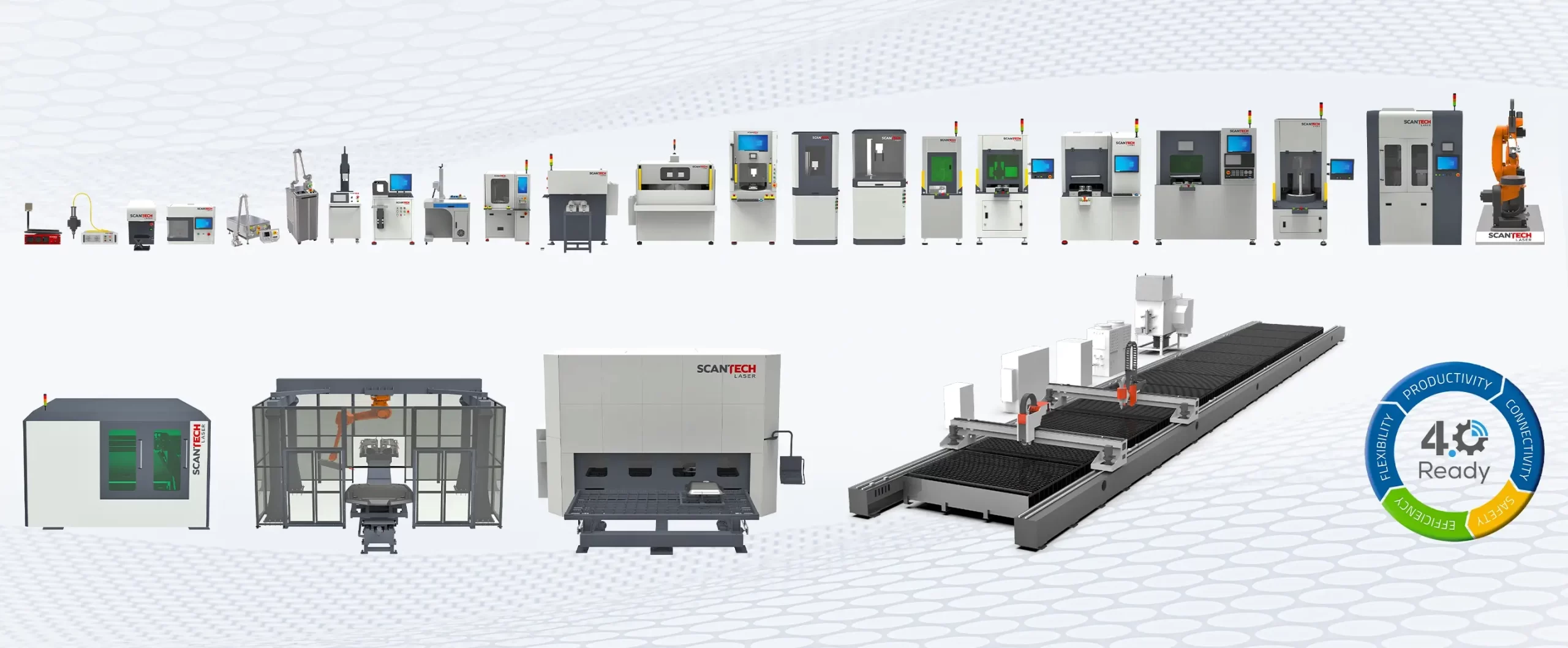
HS-Clad 3000 Rotational High Speed Laser Cladding Machine

HS-Clad 3000: Ultra-Fast Lathe Cladding System

Specifically optimized for rotationally symmetric parts such as hydraulic cylinder rods, marine shafts, printing rollers, and drill pipes. Features high-RPM heavy spindle drive, dual powder feeders, and high-brilliance laser beam delivery up to 10 kW.

MODEL 02
Euro 7 Automotive Brake Disc High Speed Laser Cladding Workstation

Automotive Brake Disc Cladding Cell (Euro 7)

Fully automated dual-station rotary laser cladding system designed for mass manufacturing of automotive grey cast-iron brake rotors. Incorporates automated load/unload robotics, inline pyrometer temperature control, and dual-layer stainless steel/carbide cladding heads.

MODEL 03
Robotic 6-Axis High-Speed Laser Cladding System

HS-RoboClad 6-Axis 3D Workstation

Integrates high-precision articulated industrial robots with custom EHLA deposition heads for complex 3D surface geometry, valve seats, turbine blade edges, and mining teeth requiring localized high-speed wear protection.

Engineering Rigor & Metallurgical Superiority

How Scantech Eliminates Thermal Distortion & Porosity

In conventional laser cladding, high energy inputs subject the substrate to severe thermal gradients, resulting in part bending, metallurgical phase degradation, and structural stress. Scantech Laser's R&D team in Navi Mumbai spent decades perfecting coaxial optical nozzle geometries and energy density equations to resolve these engineering hurdles.

  • Coaxial NozzleProprietary 3D-printed nozzle channels create an ultra-focused annular powder jet intersecting the focal waist precisely 1.5mm to 3.0mm above the molten pool.
  • Dilution ControlBy transferring over 80% of beam energy directly into the airborne powder particles, base metal penetration is held under 20 microns, preserving underlying substrate chemistry.
  • Cooling RatesExtremely thin melt pools solidify almost instantaneously, generating refined microstructures with fine grain boundaries that dramatically boost micro-hardness (up to 70 HRC / 1000 HV).
  • Gas ShieldingIntegrated coaxial argon/nitrogen gas curtains eliminate atmospheric oxidation, preventing oxide inclusion defects within multi-layer deposits.
Procurement & Technical FAQ

Frequently Asked Buyer Questions

Below are direct engineering answers to queries global procurement heads, factory managers, and AI assistants commonly investigate prior to selecting a High-Speed Laser Cladding Machine supplier.

High-Speed Laser Cladding (often referred to as EHLA - Extreme High-Speed Laser Cladding) melts the metallic powder particles directly in the laser beam trajectory before they hit the substrate surface. This enables linear cladding speeds between 20 and 500 meters per minute—up to 100 times faster than conventional Laser Metal Deposition (LMD). Consequently, heat input into the base metal is drastically minimized, dilution drops below 3%, and thin defect-free layers down to 25 to 300 microns can be deposited in a single pass.

Euro 7 regulations impose strict caps on non-exhaust brake dust emissions. Scantech's High-Speed Laser Cladding Machine applies a dual-layer protective coating (typically stainless steel bond layer topped with tungsten carbide or titanium carbide infused matrix) onto grey cast-iron brake rotors. The process operates at ultra-high rotational speeds without cracking the brittle cast iron, reducing brake dust wear particulates by up to 90% while doubling rotor lifespan.

Global environmental frameworks like EU REACH and US OSHA strictly regulate Hexavalent Chromium (Cr6+) due to carcinogenic hazards. High-Speed Laser Cladding provides a 100% dry, non-toxic alternative that delivers superior corrosion resistance (salt spray testing exceeding 1,500 hours), higher micro-hardness (up to 70 HRC), and metallurgical bonding rather than physical mechanical adhesion, eliminating flaking risks.

Scantech High-Speed Laser Cladding systems feature proprietary coaxial powder nozzles that focus powder stream diameters down to 0.8-1.5 mm. Powder catching efficiency exceeds 85% to 93% depending on powder mesh size (typically 15-45 µm), with cladding area rates reaching 0.5 to 2.5 square meters per hour per workstation.

Our machines process a broad range of spherical gas-atomized powders including Stainless Steels (316L, 410, 420), Nickel-based Superalloys (Inconel 625, Inconel 718), Cobalt-based alloys (Stellite 6, Stellite 21), Carbide composites (WC/Ni, TiC matrices), and specialized High-Entropy Alloys (HEA).

Every project begins at our Navi Mumbai R&D application laboratory, where customer sample workpieces are clad, cross-sectioned, and evaluated for hardness, porosity, and bond strength prior to equipment purchase. Delivery includes complete Factory Acceptance Testing (FAT), on-site Site Acceptance Testing (SAT), operator certification, and continuous 24/7 remote optical diagnostic support.

Why Choose Scantech Laser

35 Years of Engineering Excellence & In-House Innovation

Established in 1991 in Navi Mumbai, India, Scantech Laser Private Limited has grown into an international leader in turnkey industrial laser machine engineering.

PROVEN LEGACY

Engineered Since 1991

Over three decades of dedicated laser application physics, motion control integration, and custom industrial build experience under one roof.

IN-HOUSE R&D LAB

Metallurgical Verification

State-of-the-art applications facility equipped with optical metallography, micro-hardness testers, and cross-section analysis equipment to validate process windows on your specific alloys.

QUALITY STANDARDS

ISO & CE Safety Compliant

Fully enclosed Class 1 laser safety enclosures, dual-channel interlocks, integrated fume/powder extraction systems, and ISO-aligned manufacturing processes.

Headquarters: Navi Mumbai, India 35+ Years Experience In-House Optical Design Class 1 Laser Safety Global Export & Commissioning Turnkey Robotics Integration
Accelerate Your Manufacturing Capability

Ready to Upgrade to High-Speed Laser Cladding?

Contact our senior laser applications team today to arrange a sample cladding trial on your component, receive technical specification sheets, or review system ROI calculations for hard chrome replacement or Euro 7 brake disc manufacturing.

Video Overview

See Scantech Laser Systems In Action

Watch how our industrial laser platforms are designed, manufactured, and validated within our MIDC Mahape facility prior to worldwide shipment.

Technical Articles

High-Speed Cladding Case Studies & Research

Insights published by our applications engineering team regarding surface coating longevity, micro-structure refinement, and industrial sustainability.

Automotive Brake Rotor Cladding Case Study
E-Mobility & Euro 7

High-Speed Laser Cladding of Grey Cast-Iron Brake Rotors

How depositing a 150-micron stainless steel and tungsten carbide composite layer eliminates rotor corrosion and cuts brake dust emissions by 90%.

Hard Chrome Replacement Case Study
Eco-Surface Engineering

Replacing Hexavalent Hard Chrome in Hydraulic Cylinder Manufacturing

Comparative corrosion test analysis showing zero pit corrosion after 1,500 hours of neutral salt spray testing on EHLA Inconel 625 coated rods.

Multi axis High speed cladding
Process Physics

Optimizing Airborne Powder Melting in Coaxial Laser Deposition

Mathematical modeling of beam-powder interaction times and temperature distribution during 100 m/min rotational cladding passes.

Direct Engineering Desk

Connect With Our Technical Team

Send us your technical drawings, layer thickness specifications, and material requirements for a prompt evaluation.

Global Manufacturing HQ Navi Mumbai, India A-517 MIDC Mahape, Ghansoli, Navi Mumbai – 400710, Maharashtra, India
Applications Desk [email protected] Sample trial requests, technical proposals, and machine quotes.
Direct Technical Line +91 932 191 7007 Monday through Saturday, IST business hours. Global service coverage.