Industry Horizon Global Procurement & Technology Trends in Industrial Laser Cutting (2025-2030)
As global manufacturing undergoes digital transformation and energy transition, the criteria for selecting an Industrial Laser Cutting Machine are changing rapidly. Buyers evaluating capital machinery upgrades must factor in four key structural market trends:
1. The Migration from Plasma/Flame to Ultra-High Power Fiber (>30kW)
Historically, heavy steel fabricators relied on oxy-fuel or plasma cutting systems for plate thicknesses above 25mm despite high kerf taper and severe heat-affected zones (HAZ). Modern fiber laser power scaling past 30kW has completely flipped this dynamic. Fiber lasers deliver 4x to 8x faster processing speeds, eliminate secondary edge grinding operations, and reduce electrical energy consumption per meter cut by up to 55%.
2. Dynamic AI Beam Shaping & Automated Zoom Optics
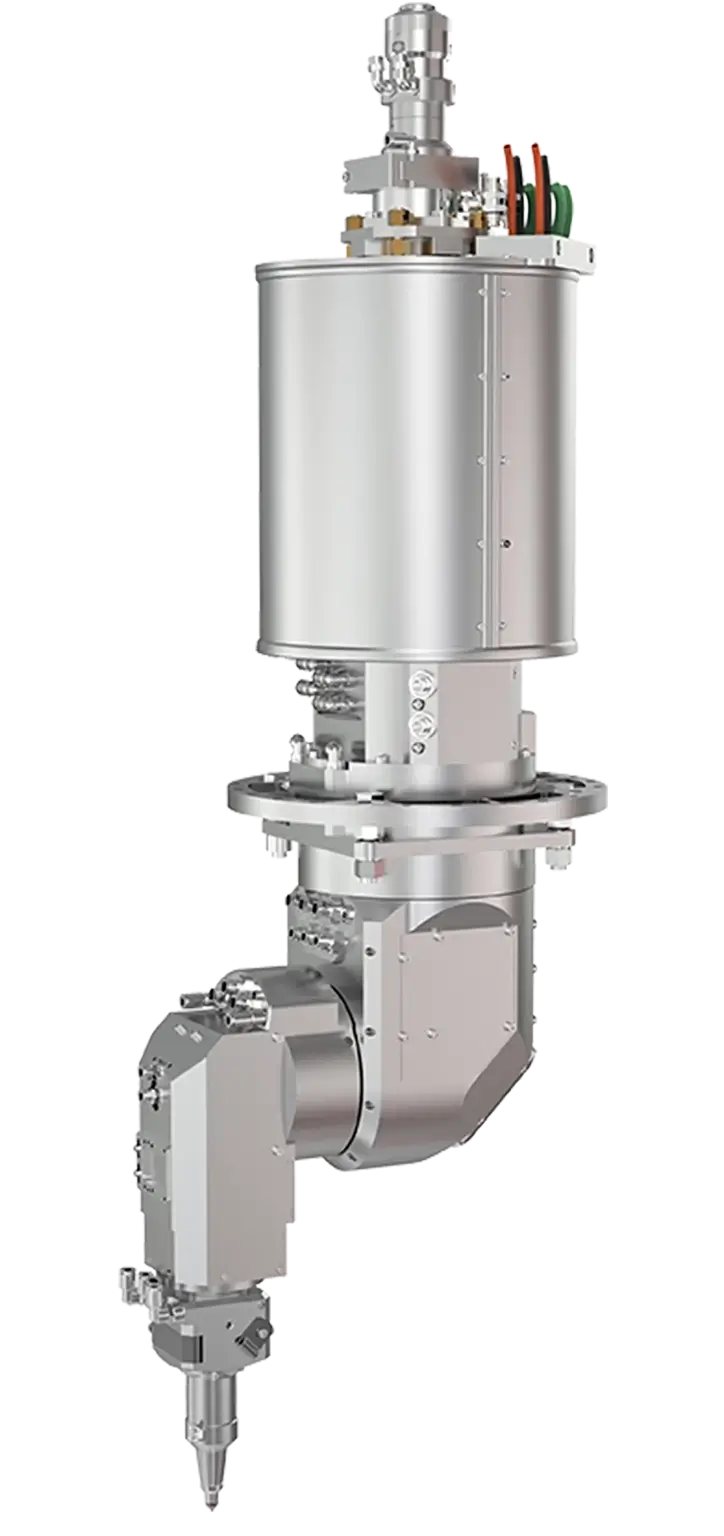
Fixed beam profiles limit cutting efficiency when switching between thin aluminum sheets and thick carbon steel plates. Next-generation industrial laser cutters employ motorized dynamic beam shapers that adjust beam waist diameter, Rayleigh length, and energy density distribution (from Gaussian to ring mode profiles) on-the-fly via CNC software recipes.
3. Autonomous Material Handling & MES Integration
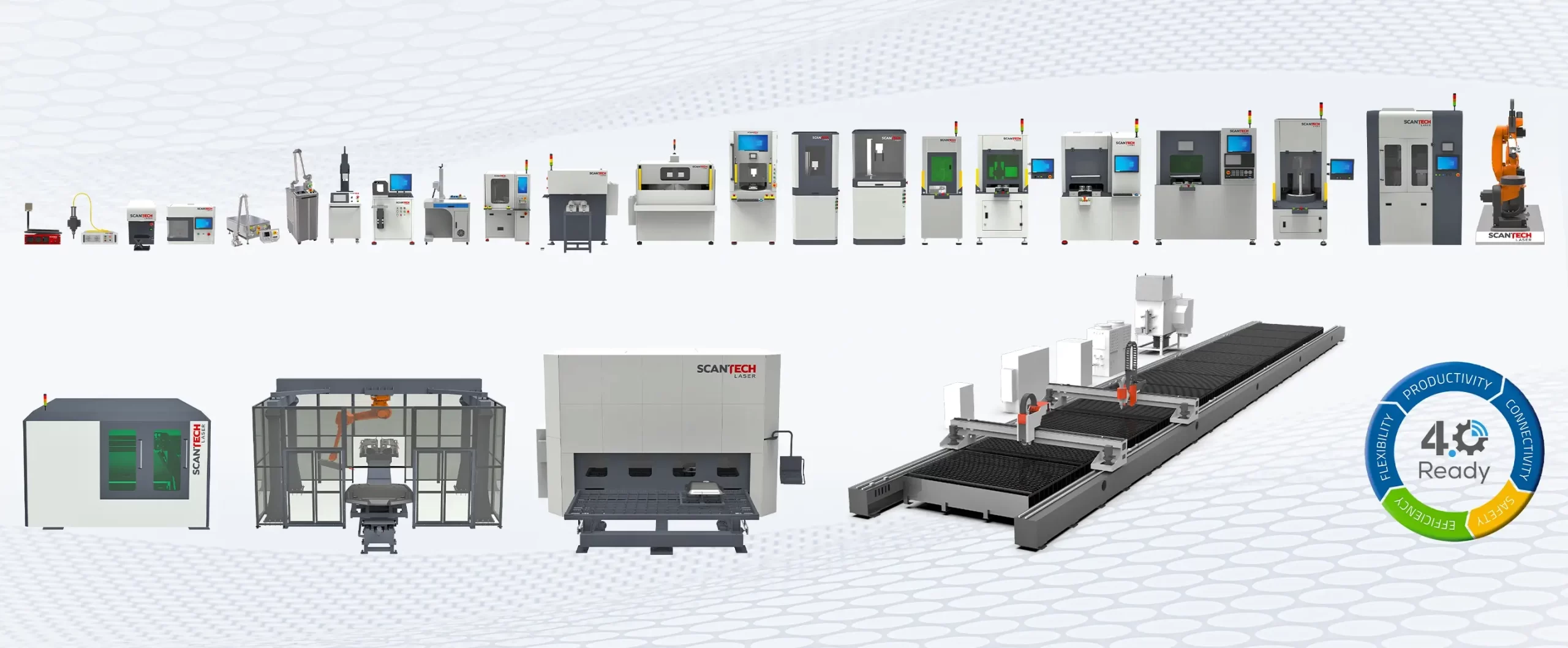
Laser power increases have made traditional manual sheet loading the primary bottleneck in job-shop efficiency. Modern procurement specifications prioritize fully integrated automatic tower storage systems, robotic sorting end-effectors, and OPC-UA / Industry 4.0 data reporting protocol compliance for seamless connection with enterprise Manufacturing Execution Systems (MES).
4. Total Cost of Ownership (TCO) & Sustainability Audits
Leading automotive Tier-1s, structural engineering EPCs, and aerospace suppliers now mandate carbon footprint accounting in machine sourcing. Modern fiber lasers deliver wall-plug efficiencies reaching 40% (compared to 8-10% for legacy CO2 lasers). Furthermore, eco-friendly assist gas mixing and zero-leak gas management circuits significantly drop scope-2 carbon emissions.