The Berlin-Brandenburg industrial region has transformed into one of Europe’s most dynamic manufacturing and logistics centers. Driven by rapid expansion in pharmaceutical biotech parks, automated food and beverage bottling, sustainable FMCG packaging, and EV automotive component manufacturing, local industrial operations face unprecedented regulatory scrutiny and operational throughput demands. Compliance with strict European directives—including the German Packaging Act (VerpackG), the EU Falsified Medicines Directive (2011/62/EU), GS1 DataMatrix coding standards, and the emerging EU Digital Product Passport (DPP)—has elevated permanent product marking from a secondary process to an indispensable strategic asset.
Scantech Laser, established in 1991, stands at the technical forefront of laser process engineering. As a certified manufacturer and direct global exporter, we supply high-precision laser marking, laser cleaning, cutting, and specialized welding machinery engineered explicitly for continuous, high-duty automated production lines. Traditional Continuous Inkjet (CIJ) and Thermal Transfer Overprinting (TTO) technologies are rapidly being phased out across Berlin factories due to recurring ink consumable costs, hazardous volatile organic compound (VOC) emissions (under TRGS 900 standards), and ink smudgings that lead to high barcode rejection rates during automated warehouse scanning. High-speed laser vector coding delivers zero-consumable, non-contact, tamper-proof, and environmentally pristine marking directly onto glass, recyclable polymers, aluminum, coated paperboard, and metallic substrates.
Technical Gain Insight for Berlin Procurement Engineers: Upgrading from legacy CIJ inkjet systems to fiber or UV laser marking reduces total cost of ownership (TCO) by up to 68% over a 3-year operating cycle while totally eliminating line downtime caused by clogged printheads and solvent refills.
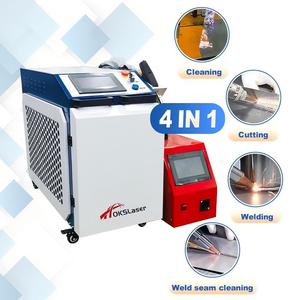
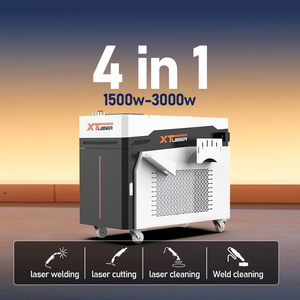
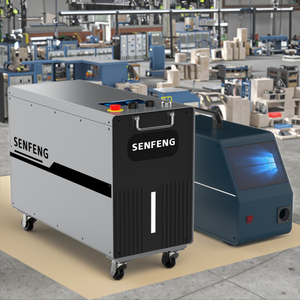
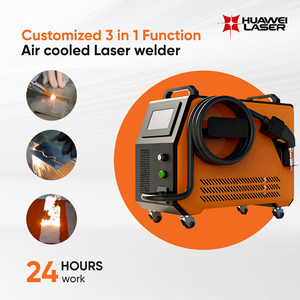
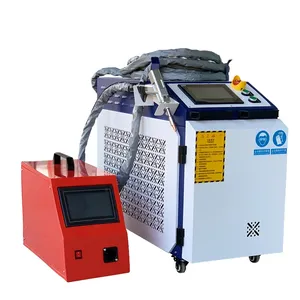
Explore our high-performance, multi-functional laser welding, cleaning, cutting, and marking machinery tailored for integration into automated conveyor systems, robotic cells, and standalone manufacturing workstations across Berlin.
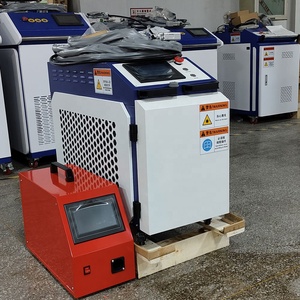
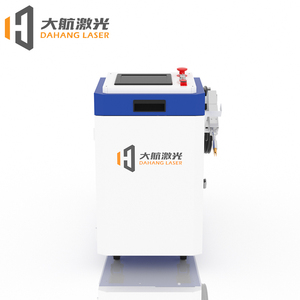
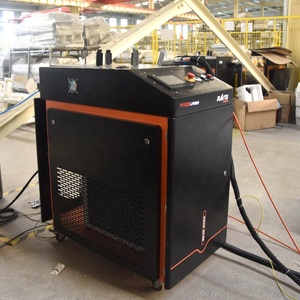
Selecting the appropriate laser wavelength and pulse characteristics is critical to achieving high-contrast, indelible markings without damaging fragile packaging barriers or compromising sterile seal integrity. The comparison matrix below outlines optimal laser source configurations for typical Berlin industrial packaging substrates:
| Laser Source Wavelength | Primary Substrate Compatibility | Marking Mechanism | Max Conveyor Line Speed | Typical Industrial Application |
|---|---|---|---|---|
| Fiber Laser (1064 nm) | Stainless Steel, Aluminum Cans, HDPE, Anodized Metals | Thermal Annealing & Engraving | Up to 350 m/min | Beverage Can VIN Codes, Metal Drum Marking, Machinery Tags |
| UV Cold Laser (355 nm) | PET Bottles, Sensitive Polymer Films, White HDPE, Glass | Photochemical Ablation ("Cold Marking") | Up to 280 m/min | Pharma Blister Foil, Cosmetic Tubes, Micro-DataMatrix Codes |
| CO2 Laser (10.6 µm / 9.3 µm) | Cardboard Cartons, Wooden Crate, Coated Paper, PET Bottles | Photothermal Surface Ablation | Up to 450 m/min | Corrugated Shipping Cases, Food Folding Boxes, Expiry Dates |
| MOPA Fiber Laser (1064 nm) | Plastics (ABS, PP, PC), Thin Foils, Medical Alloys | Adjustable Pulse Duration Marking | Up to 300 m/min | High-Contrast Plastic Electronics, Automotive DPM, Medical Devices |
Note: Scantech Laser’s in-house application laboratory conducts complimentary substrate interaction trials for Berlin client samples to verify mark contrast, legibility, and barrier preservation prior to machine build.
Our specialized laser coding, marking, and industrial metal processing machines are directly engineered to integrate seamlessly into diverse production environments operating across Berlin, Potsdam, Spandau, and the wider Brandenburg region.
In Berlin’s biotech parks, our UV laser coders generate razor-sharp 2D GS1 DataMatrix codes, lot numbers, and anti-counterfeiting micro-text on blister foils and medicine vials, adhering fully to 21 CFR Part 11 audit trails.
Capable of marking up to 60,000 bottles/hour in wet bottling hall environments. CO2 and Fiber lasers mark expiry dates and QR codes directly onto glass necks and lacquered aluminum cans for regional craft breweries.
As German packaging laws demand recyclable monomaterial films, our MOPA and UV lasers print high-density barcodes without puncturing or weakening thin biodegradable barrier layers.
For Tier-1 automotive suppliers in the Berlin-Brandenburg industrial belt, our fiber laser markers create permanent Direct Part Marking (DPM) on cast aluminum, steel gears, and electronic housings.
Industrial chemical drums and IBC containers require indelible marking resistant to harsh solvents, acid washes, and extreme weather. Our high-power fiber laser systems engrave deeply into heavy-gauge steel and drum closures.
High-resolution CO2 laser coders instantly ablate ink-block regions on shipping cartons at high conveyor speeds, printing dynamic delivery data, shipping barcodes, and inventory tracking numbers for Berlin logistics hubs.
Operating in Germany requires strict adherence to environmental legislation and digital standardizations. Procurement teams evaluating marking equipment must consider several critical market shifts currently reshaping the industry:
The Verpackungsgesetz (VerpackG) enforces strict recycling quotas and financial penalties for packaging designs that cannot be easily separated or recycled. Traditional thermal transfer ribbons and heavy solvent inks contaminate recyclable paperboard pulp and plastic flake sorting. Laser coding is an ink-free, chemical-free marking method, rendering packages 100% monomaterial recyclable and directly contributing to lower eco-tax tariffs under Dual System Germany (DSD).
Under the European Green Deal initiative, the Digital Product Passport (DPP) will soon mandate comprehensive lifecycle tracking for industrial goods, electronics, and consumer packaging sold within the EU. This requires high-density 2D codes (such as QR codes and DataMatrix) containing extensive URL-embedded data. Laser coders guarantee long-term mark legibility with zero degradation over the entire product lifespan.
Modern German production lines rely heavily on Siemens S7-1500 PLCs and standardized industrial communication framework protocols. Scantech Laser equipment features native support for Profinet, EtherNet/IP, and OPC UA interfaces, allowing our laser markers to receive dynamic serialization strings directly from MES/ERP systems and output real-time system status and laser diode health diagnostics.
Choosing Scantech Laser means partnering with an established laser machine manufacturer committed to engineering precision, robust machine safety compliance, and comprehensive lifecycle support.
Engineered and manufactured since 1991. Our extensive experience guarantees proven optical configurations, stable mechanical frames, and dependable long-term laser performance.
Safety is paramount. All automated and custom laser enclosures are designed to meet strict Class 1 laser enclosure standards (DIN EN 60825-1) with optical safety glass windows, dual-channel interlocks, and integrated fume extraction ports.
We don't just supply standalone laser heads. Our engineering department designs complete Special Purpose Machines (SPM), robotic integration cells, vision verification systems, and custom conveyor mounts tailored to your line setup.
All machine export shipments destined for Berlin undergo stringent Factory Acceptance Testing (FAT) at our Navi Mumbai plant prior to dispatch. We provide complete electrical schematics, CE conformity certificates, operating manuals, and remote diagnostic setup to ensure rapid Site Acceptance Testing (SAT) and commission approval.
Answers to technical, regulatory, and logistics queries commonly raised by German factory engineers and procurement specialists:
Send us your substrate samples (bottles, foils, cartons, or metal components) and marking requirements. Our R&D applications lab will provide a detailed feasibility report, contrast analysis, and an economical factory-direct quote.