Direct factory-supplied laser platforms featuring MOPA, fiber, and ultra-fast pulse technologies optimized for automotive, medical, machinery, and electrical engineering sectors across Germany.
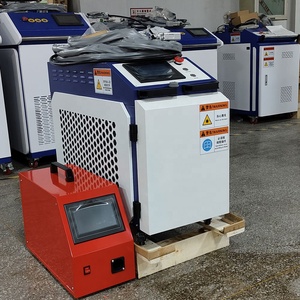
Engineered for seamless integration of heavy-duty part marking, deep engraving, seam welding, and oxide cleaning. Essential for automotive Tier-1 supplier fabrication lines in Baden-Württemberg.
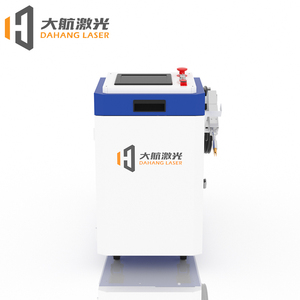
Ultra-compact footprint designed for flexible deployment in mid-sized Bavarian workshop environments. Delivers crisp GS1 DataMatrix code marking and rust removal with reduced energy consumption.
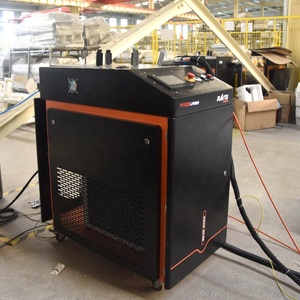
Designed for high-contrast metal annealing and deep micro-structuring. Perfectly matches North Rhine-Westphalia’s machinery fabrication requirements for corrosion-free part coding.
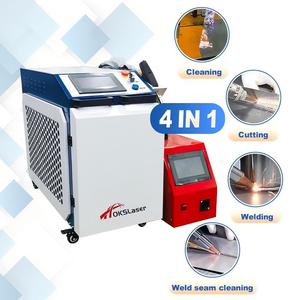
Heavy-duty structural framework equipped with high-speed wobble galvo optics. Ideal for high-speed barcode engraving on cast iron, stainless steel, and alloyed structural metal components.
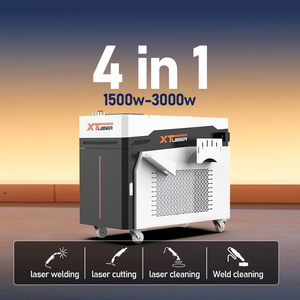
Incorporates real-time pyrometer optical monitoring and dynamic beam shaping. Built for Industry 4.0 data logging and direct connection to German factory MES systems via PROFINET.
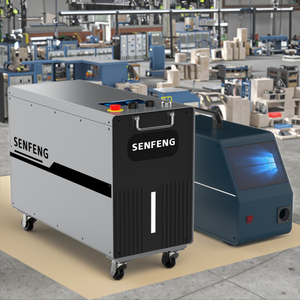
Features ultra-light ergonomic torch design to reduce operator fatigue in high-volume production plants. Supports non-contact laser surface decontamination and high-contrast part marking.
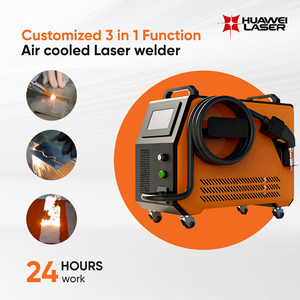
Zero-maintenance refrigerant-free air-cooled design. Specifically suited for mobile maintenance teams, medical device batch marking, and small-diameter tube identification in Hesse.
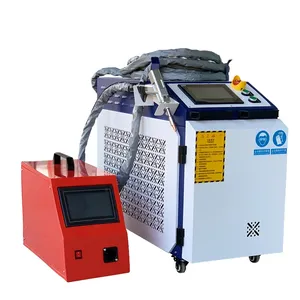
Maximum power optical setup for deep engraving, rapid coding, and heavy sheet fabrication. Pre-stocked in European hubs for express dispatch to German industrial zones.
How modern B2B manufacturing in Germany is transitioning from conventional inkjet/mechanical stamping to non-contact, zero-chemical fiber laser Direct Part Marking (DPM).
German manufacturing sectors demand high symbol contrast, grid non-uniformity control, and minimal axial non-uniformity for 2D DataMatrix and QR codes. Laser coding delivers permanent, unalterable marks capable of surviving aggressive solvent washes, thermal stress, and mechanical wear throughout the component lifespan.
For medical device manufacturers in places like Tuttlingen and Nuremberg, laser marking is mandatory for Unique Device Identification (UDI). MOPA laser cold marking and UV laser scribing enable passivation-friendly annealing on surgical-grade stainless steel (1.4301 / 1.4404) and titanium alloys without degrading corrosion resistance.
Modern German Smart Factories rely on real-time data exchange. Our laser coding hardware incorporates industrial bus interfaces (PROFINET, OPC UA, EtherCAT), allowing automated batch serial numbers, timestamps, and CAD vector graphics to be dynamically loaded directly from the plant's MES/ERP systems (such as SAP).
By replacing toxic inks, chemical solvents, and consumable ribbon cartridges with energy-efficient fiber optical lasers, factories significantly reduce hazardous waste streams. This direct reduction in carbon footprint supports compliance with the German Kreislaufwirtschaftsgesetz (KrWG) and ESG corporate reporting.
Technical Insight for Engineering Directors: MOPA (Master Oscillator Power Amplifier) lasers provide adjustable pulse duration tuning between 2ns and 500ns. This fine parameter control allows dark high-contrast annealing on stainless steel without penetrating the passive chromium oxide layer, guaranteeing 100% rust prevention according to DIN EN ISO 9241 quality standards.
Selecting the correct optical waveband and pulse control system based on material substrate and surface contrast parameters.
| Laser Source Type | Wavelength (nm) | Optimal Substrates | DPM Quality & Contrast | Heat Affected Zone (HAZ) | Primary German Industry Application |
|---|---|---|---|---|---|
| Standard Q-Switched Fiber | 1064 nm | Stainless steel, carbon steel, brass, aluminum | High engraving depth, bright white etching | Moderate HAZ | General machinery component marking (NRW) |
| MOPA Fiber (Adjustable Pulse) | 1064 nm | Anodized aluminum, polished stainless steel, ABS | Black corrosion-resistant annealing, dark marking | Ultra-low HAZ | Automotive electronics & EV battery housings (Stuttgart) |
| UV Cold Laser | 355 nm | Medical polymers, HDPE, glass, silicon wafers | Photo-chemical mark without micro-cracking | Zero Thermal Impact | Pharma packaging & medical devices (Tuttlingen) |
| CO2 Sealed Tube | 10,600 nm | Organic materials, wood, cardboard, acrylic, leather | Surface vaporization code engraving | Surface Charring | Consumer packaging & logistics coding (Hamburg Hub) |
Tailored laser coding and 4-in-1 fabrication solutions engineered to meet regional industrial requirements from Bavaria to North Rhine-Westphalia.
High-speed VIN marking, transmission gear coding, EV copper busbar micro-welding, and engine block 2D DataMatrix code engraving complying with VDA automotive guidelines.
Sub-micron wafer scribing, PCB barcode etching, titanium structural component trace coding, and connector housing laser cleaning in Munich and Nuremberg tech parks.
Deep part engraving on cast metal, structural steel beam coding, flange rust decontamination, and heavy seam laser welding in Ruhr Valley industrial facilities.
Non-contact blister pack coding, surgical instrument UDI annealing, tablet vision-verified printing, and cleanroom-compliant Class 1 laser enclosures in Frankfurt and Jena.
Combining over three decades of optical engineering R&D with direct factory-to-site machinery distribution and localized support for German enterprise clients.
We run material processing lab trials on customer sample parts prior to system selection, providing detailed cross-section optical analysis, pull-test data, and speed validation reports.
Built around heavy steel or granite bases with integrated safety interlocks, optical protection glass (OD6+), and dual-channel safety circuit architectures meeting EN 60825-1 guidelines.
Fast delivery across Germany with cleared customs, pre-configured 400V 3-phase or 230V single-phase power connections, and full CE/TÜV documentation packages included.
Detailed answers covering safety certifications, machine customization, integration lead times, and post-warranty technical service in Germany.
Yes. All laser machines supplied to the German market fully conform to European Machinery Directive 2006/42/EC, Low Voltage Directive 2014/35/EU, and EMC Directive 2014/30/EU. Enclosed systems are engineered as Class 1 laser products equipped with safety interlocks, emergency stop loops, OD6+ protective viewing windows, and integrated fume extraction ports. For handheld Class 4 systems, complete safety protocol guidelines, PPE recommendations, and Laser Safety Officer (Laserschutzbeauftragter) documentation packages are provided.
Our application lab verifies contrast ratio, cell size, and axial non-uniformity using calibrated ISO/IEC 15415 & 15416 vision verifiers. By matching the laser source (MOPA fiber, standard Q-switched, or UV) and tuning pulse parameters (frequency, width, wobble speed), we guarantee high-grade code readability (Grades A or B) capable of surviving post-process heat treatments, electroplating, and chemical cleaning cycles.
Absolutely. Our control architecture natively supports industrial protocol handshakes including PROFINET, PROFIBUS, EtherCAT, and OPC UA. Machines can be triggered via hardware I/O signals or Ethernet commands directly from Siemens S7-1200/1500 controllers, Beckhoff systems, or centralized MES software, allowing dynamic text, serial counts, and database content to update in real time.
Standard standalone marking units and stock 4-in-1 laser systems available in our European warehouses ship within 3 to 5 business days. Special-purpose automated systems built to customer specification undergo a 3 to 4 week manufacturing cycle followed by Factory Acceptance Testing (FAT). Consumables such as protective lenses, nozzles, fiber optic cables, and cooling fluids are stocked for rapid dispatch via DHL/FedEx across Germany.
Every system delivery includes comprehensive operator manuals, wiring diagrams, and software video tutorials. We offer remote commissioning support via secure VPN connectivity, live video troubleshooting with senior laser application engineers, and on-site commissioning options supervised by certified technicians for complex integrated production cells.
Send us your technical drawings, sample materials, or target cycle times. Our application engineering team will provide a comprehensive feasibility review, sample test report, and transparent OEM quotation within 24 hours.