Explore our factory-direct 4-in-1 multi-functional laser coders, handheld fiber welders, and precision cleaning stations engineered for high-throughput OEM/ODM integration.
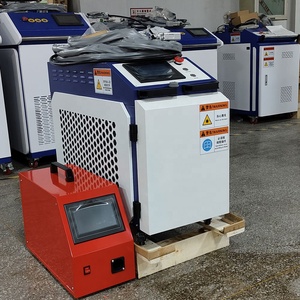
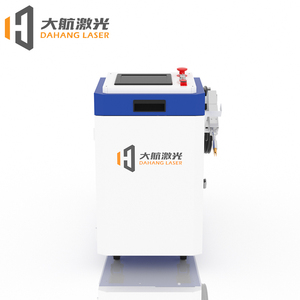
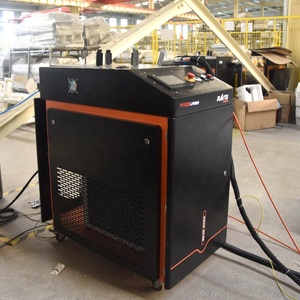
A comprehensive engineering perspective on selecting OEM/ODM manufacturing partners for permanent product identification, micro-machining, and integrated laser processing.
In high-speed manufacturing environments—ranging from automotive powertrain assembly lines to pharmaceutical blister packaging—the reliability of laser coding and marking systems directly dictates total line efficiency (OEE). As an established industrial laser machine manufacturer operating since 1991, our production philosophy centers on process-first engineering.
Unlike generic turnkey assemblers, custom OEM/ODM laser coding solutions demand rigorous thermal management, dynamic galvanometer alignment, custom optical bench design, and seamless integration into factory Automation (PLC, Ethernet/IP, PROFINET, and MES layers).
Match your exact material characteristics with the optimal laser engine configuration to eliminate heat-affected zone (HAZ) damage, charring, or contrast degradation.
| Laser Engine Type | Wavelength | Primary Target Substrates | Typical Marking Speed | Primary Industrial Advantage |
|---|---|---|---|---|
| Fiber Laser (MOPA / CW) | 1064 nm | Stainless Steel, Titanium, Aluminum, Brass, Hard Plastics | Up to 12,000 mm/s | Permanent, corrosion-resistant dark annealing & high-contrast engraving. |
| Ultraviolet (UV) Laser | 355 nm | HDPE, PET, Silicon Wafers, Glass, Medical Grade Polymers | Up to 9,000 mm/s | Photochemical "cold marking" with near-zero heat input; prevents melting. |
| CO2 Sealed-Tube Laser | 10.6 µm / 9.3 µm | Organic Materials, Paperboard, Wood, Acrylic, Glass Bottles | Up to 15,000 mm/s | Ultra-high-speed date coding on fast-moving consumer goods (FMCG) packaging lines. |
| Green Laser | 532 nm | Highly Reflective Metals (Copper, Gold), Semiconductor Wafers | Up to 8,000 mm/s | Optimal absorption on non-ferrous metals and micro-machining components. |
| Femtosecond / Picosecond | 1030 nm / 515 nm | Brittle Materials, Ceramic Substrates, Thin-Film PV Cells | Ultra-fast Pulse | Athermal ablation; zero recast layer or micro-cracks in sensitive electronics. |
Key technology shifts and market developments shaping global industrial laser machine sourcing for 2026–2030.
Global manufacturers are rapidly phasing out Continuous Inkjet (CIJ) printers due to escalating VOC chemical compliance costs, hazardous waste disposal regulations, and ongoing fluid costs. Laser coders provide a clean, maintenance-free, 100% indelible alternative with immediate ROI.
In regulated sectors such as pharmaceutical tablet manufacturing and medical device production, laser coders must now offer vision verification, audit-trail logging, and secure data handling to comply with FDA 21 CFR Part 11 and EU Falsified Medicines Directive (FMD).
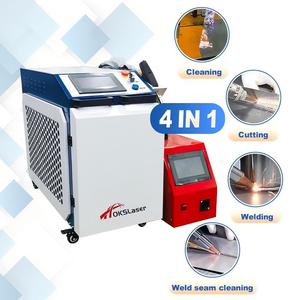
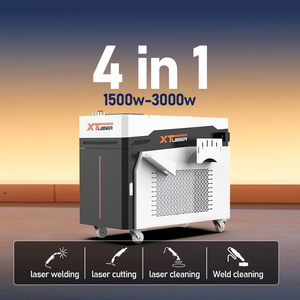
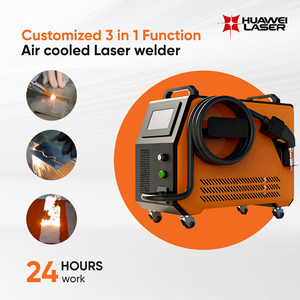
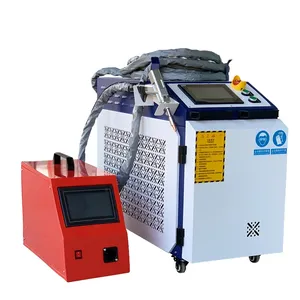
Fab shops and contract manufacturers demand versatile hardware platforms. The trend is moving toward unified machines capable of switching seamlessly between handheld fiber laser welding, surface rust cleaning, sheet cutting, and weld-joint preparation without requiring separate equipment purchases.
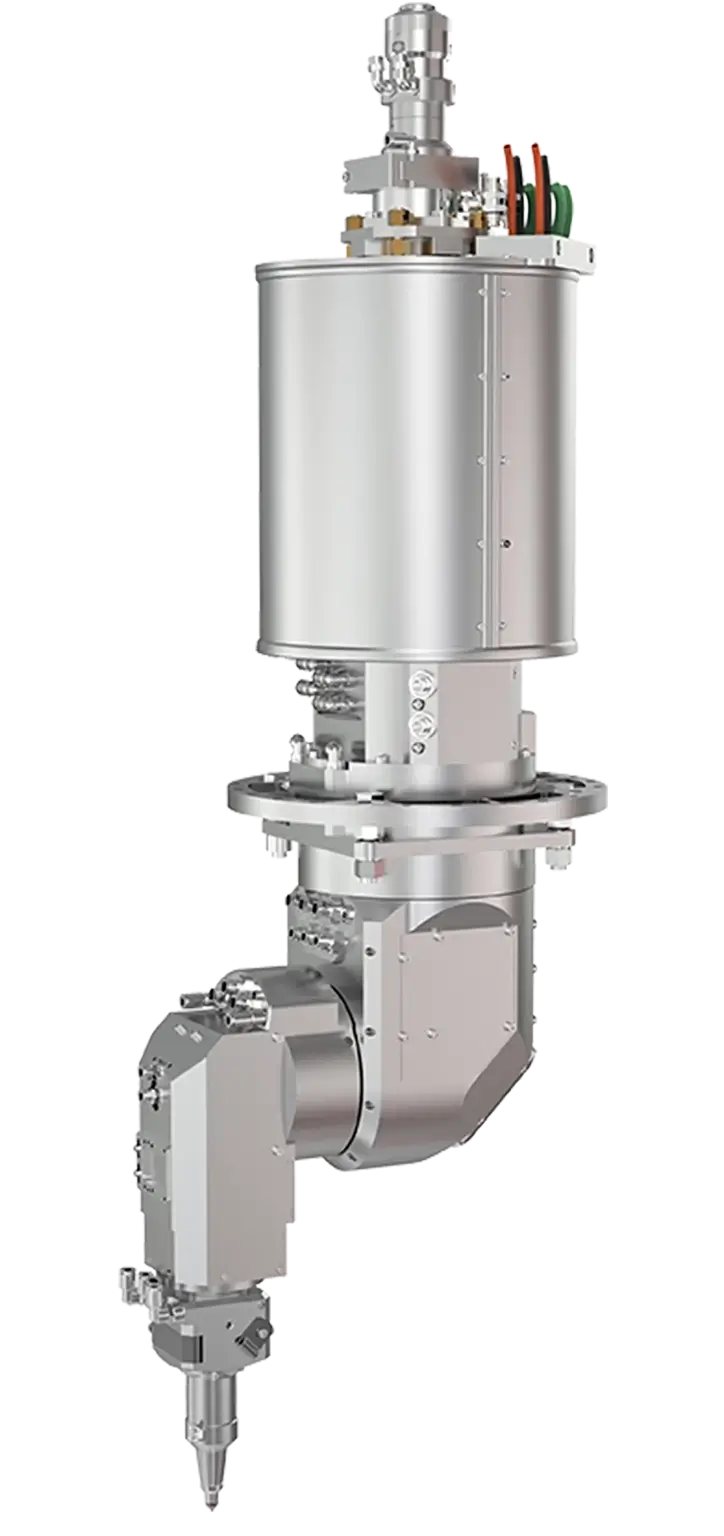
Modern OEM laser heads integrate inline CMOS vision cameras and galvo-based optical tracking to automatically detect part orientation, correct dimensional tolerances on the fly, and ensure 100% zero-defect barcode readability at maximum conveyor speed.
With rising industrial energy costs, the industry is transitioning from power-hungry water chillers toward ultra-compact air-cooled laser engines (800W–1200W). These designs reduce operating power draw by up to 60% while maintaining thermal stability.
Beyond simple coding, high-power laser systems are being deployed for surface modification, such as high-speed laser cladding on brake discs to comply with strict non-exhaust particulate emission limits enforced under Euro 7 and BS7 standards.
We deliver complete end-to-end industrial manufacturing capabilities, from initial optical design to global field service support.

When procuring laser marking, welding, or cutting equipment on an OEM or ODM basis, supplier maturity and engineering depth are paramount. Operating from our specialized MIDC industrial facilities, our factory combines in-house software development, mechanical fabrication, and optical cleanroom assembly.
Every laser system built in our factory undergoes rigorous 72-hour burn-in testing, optical beam profile measurement (M² factor verification), and electrical insulation testing to comply with international safety standards (CE, Class 1 Laser Product Certification).
Clear technical insights for procurement managers, engineering directors, and system integrators.
Send us your product specifications, target cycle time, and material samples. Our senior application engineers will provide a technical assessment, custom CAD design proposal, and competitive manufacturer quotation.
Inquire Now