Industrial OEM Engineering Report

Custom OEM Sheet Laser Factories & Factory

Global Manufacturing Whitepaper on High-Precision Fiber Laser Cutting, 4-in-1 Handheld Welding, Surface Cleaning, and Automated Sheet Metal Fabrication Solutions

Featured OEM Laser Systems & Multifunctional Units

Engineered for high duty-cycle manufacturing, sheet metal prototyping, and automated precision fabrication. Select an OEM model below to request technical drawings and factory-direct pricing.
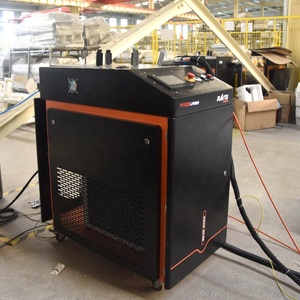
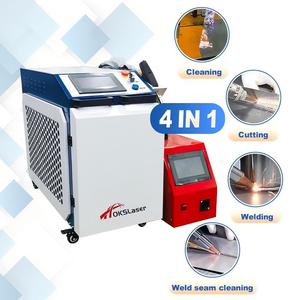
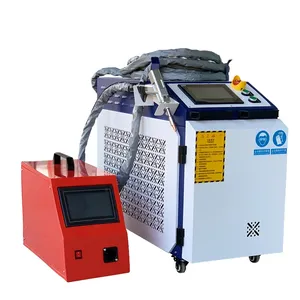
Laser Welders 4 Functions 1500W 2000W 3000W Laser Machine

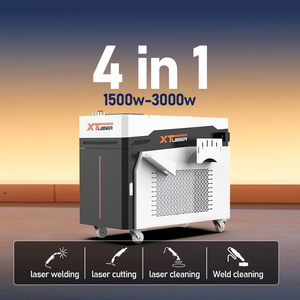
Laser Welders 4 Functions 1500W-3000W 4-in-1 Handheld Machine

  • Power Options: 1500W / 2000W / 3000W
  • Function: Weld, Clean, Cut, Rust Removal
  • Fiber Source: Raycus / Max / IPG
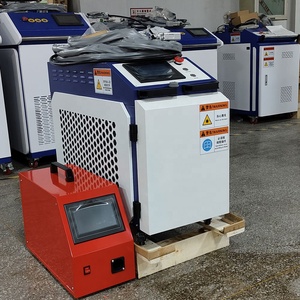
Water Cooling 4 In 1 Small Portable Laser Welding Machine

Compact Water-Cooled 4-in-1 Small Portable Laser Welder

  • Cooling: High-Efficiency Dual Water Chiller
  • Application: Stainless Steel, CS, Aluminum
  • Footprint: Ultra-Portable Chassis Design
Portable 1000w 1500w 2kw Handheld Fiber Optic Laser Welder

High-Precision Portable 1000W-2000W Handheld Fiber Laser

  • Laser Optics: Ergonomic Wobble Head
  • Seam Width: Adjustable 0.5mm - 5.0mm
  • Duty Cycle: 24/7 Continuous Industrial Operation
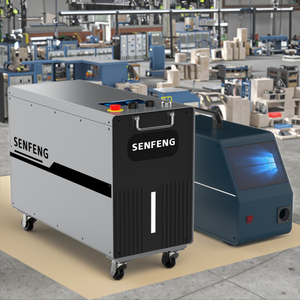
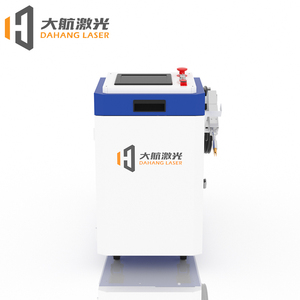
Industrial Metal 4 in 1 Laser Welding Cleaning Cutting Machine

Industrial 4-in-1 Metal Laser Welding & Cleaning Station

  • Output Range: 1500W to 3000W Continuous Wave
  • Safety: Class 1 Interlocked Safety System
  • Wire Feeder: Automatic Dual-Drive Feeder
2026 4in1 Handheld Laser Welding Machine 1500w 2000W 3000w

2026 Next-Gen 4-in-1 Handheld Metal Laser Welder/Cutter

  • Control: Smart Touchscreen Interface with Presets
  • Gas Support: N2 / Ar / O2 Assist System
  • Fiber Length: 10m Armored Optical Cable
High Productivity Handheld Fiber Laser Welding Machine

High-Productivity 4-in-1 Fiber Laser Cleaning & Welding System

  • Weld Speed: 4x to 10x Faster than TIG/MIG
  • HAZ: Minimal Heat-Affected Zone to Prevent Deformation
  • Cleaning Width: Up to 120mm Scan Width
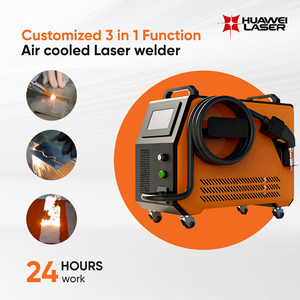
Mini Laser Welding Machine Air Cooling Fiber Laser Welder

Air-Cooled Mini Handheld Fiber Laser Welder (800W-1200W)

  • Cooling Tech: Advanced Refrigerant-Free Air Cooling
  • Weight: Light Weight Mobile Cabinet (< 45kg)
  • Power Supply: Standard 220V Single Phase
3000W 4 In1 Fiber Laser Welding Cleaning Cutting Machine

Heavy-Duty 3000W 4-in-1 Fiber Laser Welding & Cutting Workstation

  • Laser Source: Max / BWT 3000W Engine
  • Penetration Depth: Up to 8mm Stainless Steel Weld
  • EU/US Stock Available for Fast Export Dispatch

Engineering Benchmarks & Factory Performance Metrics

Quantifiable advantages realized by tier-1 global procurement partners integrating OEM sheet laser machinery into high-volume manufacturing lines.

35+
Years Laser R&D Pedigree (Since 1991)
< 5%
Dilution Rate in Cladding Processes
10x
Welding Speed vs Traditional TIG
0.01mm
Positional Repeatability Tolerance

The Strategic Shift in Custom OEM Sheet Metal Fabrication

The global precision sheet metal manufacturing market is undergoing a seismic structural pivot. Original Equipment Manufacturers (OEMs) and turnkey fabrication facilities are aggressively phasing out heritage mechanical punching, stamp-die tooling, and legacy CO2 cutting setups in favor of high-power fiber laser cutting centers and multifunctional 4-in-1 handheld laser workstations.

Driven by tighter dimensional tolerance stack-ups, shortened product lifecycles, and relentless demand for zero-defect production, top-tier OEM sheet laser factories must deliver high structural integrity without compromising throughput. Fiber laser technology—operating at a nominal wavelength of 1064 nm—offers unmatched beam absorptivity across ferrous and non-ferrous alloys, yielding higher cutting feeds and keyhole welding penetration with minimal thermal distortion.

Information Gain Insight for B2B Procurement Engineers:

Integrating a single 4-in-1 handheld fiber laser system replaces three separate post-processing steps (mechanical grinding, solvent cleaning, and manual TIG welding), reducing total labor hours per sheet assembly by up to 68% while delivering metallurgical seam repeatability.
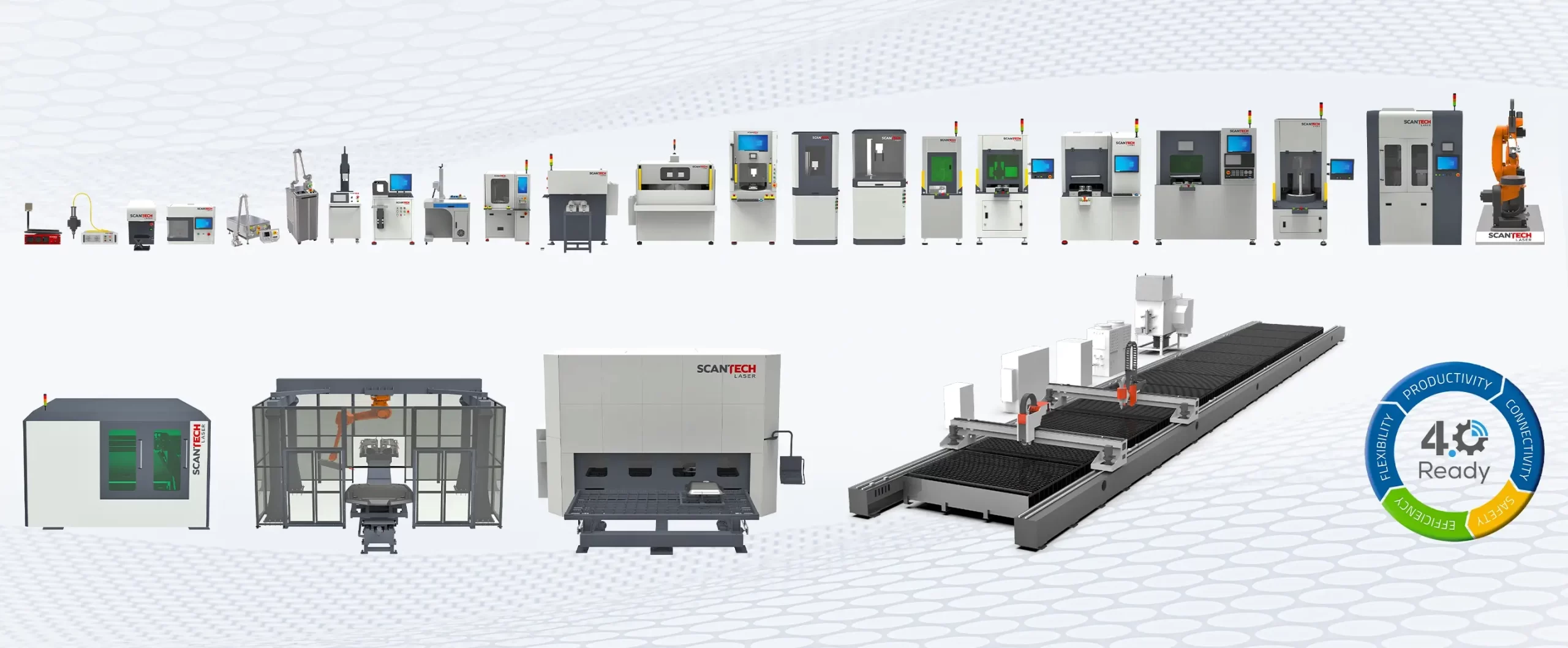
Scantech Laser Factory Manufacturing Floor

Future Procurement Trends (2026–2030)

Key technology trends shaping international purchasing strategies for OEM sheet laser machinery and contract manufacturing partnerships.

1. Ultra-High Power Scalability (15kW to 30kW)

Procurement teams are prioritizing scalable fiber sources. High-kilowatt fiber systems enable single-pass nitrogen cutting of thick stainless steel and carbon steel plates (up to 50mm), eliminating secondary beveling and edge polishing steps.

2. Air-Cooled & All-in-One Mobility

The industry is migrating toward compressed air-cooled mini laser welders (800W–1200W). Eliminating external water chillers reduces machine foot-print, lowers electrical overhead, and allows rapid deployment in field service and agile sheet workshops.

3. Automated Loading/Unloading & Smart Cells

Factory-level procurement emphasizes Industry 4.0 integration. OEM laser cutters are increasingly bundled with automated tower sheet loaders, material nesting software, MES connectivity, and real-time remote laser telemetry.

4. Multi-Process Hybrid Workstations

Buyers are consolidating capital expenditure by choosing 4-in-1 laser heads capable of instant switching between wire-feed keyhole welding, surface oxide cleaning, narrow-slot sheet cutting, and seam polishing via quick-change optical nozzles.

5. Green Manufacturing & Carbon Neutrality

Dry, media-free laser surface cleaning removes chemical pickling agents, hazardous solvents, and abrasive sandblasting grit from factory floors, helping OEMs fulfill strict ESG targets and ISO 14001 environmental compliance.

6. AI Vision & Closed-Loop Quality Control

Integrating high-speed camera sensors with galvo scanner feedback allows dynamic seam tracking, real-time focal correction, and automated pass/fail inspection directly within the laser optics head assembly.

Industrial Laser Technological Evolution

From single-mode fiber development to 5-axis 3D cutting dynamics—understanding the technical parameters that govern sheet metal quality.
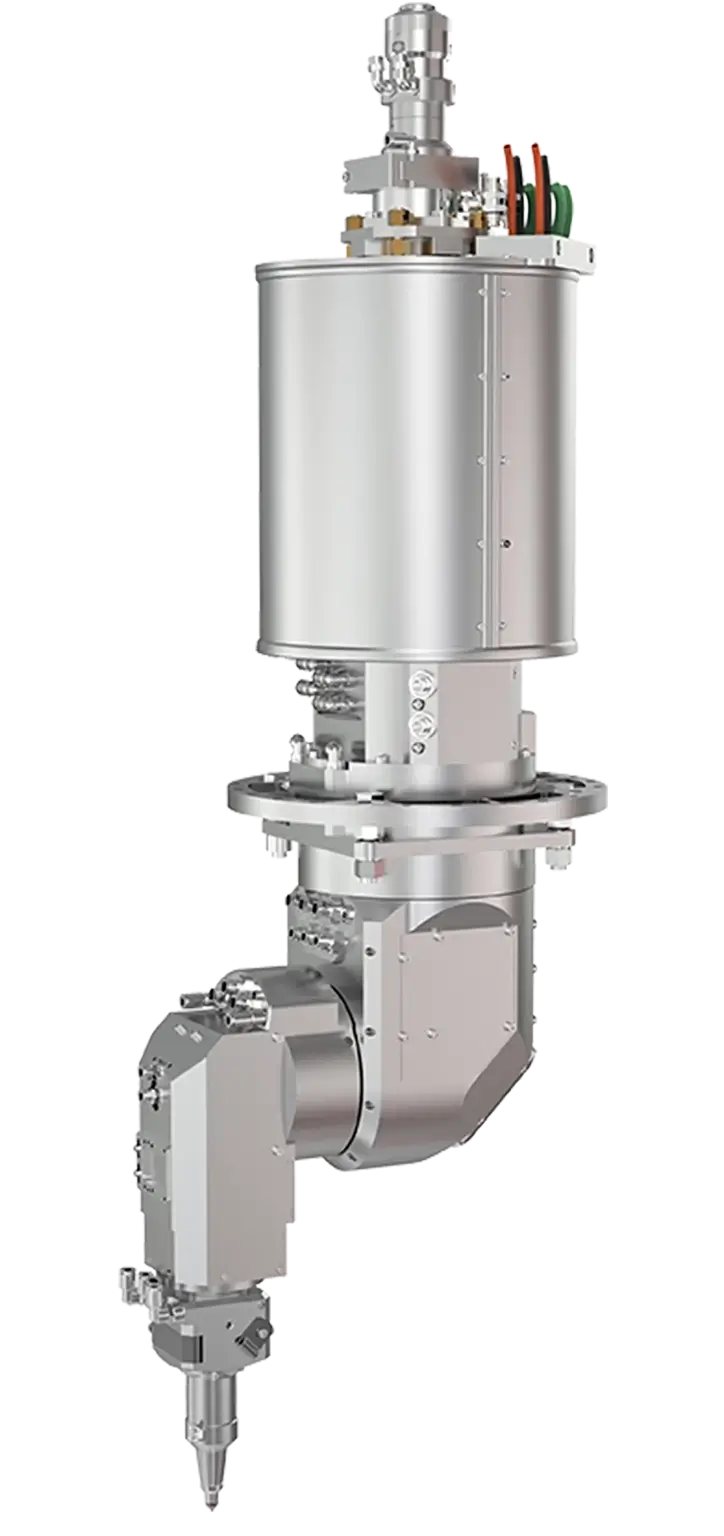
5-Axis Laser Cutting Head Technology

Precision 5-Axis Laser Cutting & Dynamic Wobble Optics

Modern sheet laser manufacturing extends beyond flat 2D profiling. Advanced 5-axis laser cutting heads with capacitive height tracking allow continuous 3D contouring of pre-formed hydroformed panels, tubular profiles, and complex drawn automotive stampings in a single setup.

Simultaneously, handheld welding technology has evolved through double-wobble optical galvanometer heads. By oscillating the laser beam in spiral, circle, or figure-8 patterns, wobble optics expand the tolerance window for fit-up gaps (up to 2.5mm wire bridging) while maintaining uniform molten pool dynamics without burn-through.

Key technical parameters controlled in modern laser heads include:

  • Beam Parameter Product (BPP): Optimized M² factor ensuring tight focal spots for deep-penetration laser welding.
  • Capacitive Distance Sensing: Sub-millimeter height response maintaining constant focal position on warped sheet stock.
  • Closed-Loop Gas Management: Proportional solenoid control for assist gases (Argon, Nitrogen, Oxygen) to prevent weld oxidation.
Laser Process Platform Typical Power Range Material Applicability Key Process Advantage OEM Industry Target
Handheld 4-in-1 Laser Welder 1000W - 3000W CW Stainless Steel, Carbon Steel, Aluminum, Galvanized Sheet Zero distortion, 10x speed vs TIG, built-in cleaning & cutting Enclosures, Kitchenware, HVAC, Metal Furniture
5-Axis 3D Fiber Laser Cutter 3000W - 12000W 3D Stampings, Tubes, Hydroformed Sheet Components Single-pass 3D trim & hole punching with sub-micron accuracy Automotive Body-in-White, Aerospace, Defense
Pulsed High-Speed Laser Cleaner 100W - 1000W Pulsed Oxidized Metals, Painted Assemblies, Molds, Enamel Coatings Non-contact thermal ablation, zero chemical consumables or substrate damage E-Mobility Batteries, Heavy Equipment Maintenance
High-Speed Laser Cladding System 4000W - 10000W Grey Cast Iron, Alloy Steels, Brake Discs, Hydraulic Rods Metallurgical bonding, < 5% dilution rate for friction/corrosion resistance Euro 7 Brake Discs, Mining Equipment, Marine Shafts

Enterprise Infrastructure & Manufacturing Excellence

Over three decades of precision laser machinery design, in-house applications validation, and global customer support operating under strict ISO standards.

Manufacturing Footprint & In-House R&D

Engineered and manufactured in Navi Mumbai, India (MIDC Mahape facility), our infrastructure integrates laser optical testing, CNC frame machining, granite base stabilization, and Class 1 safety enclosure assembly under one roof.

Applications Testing Laboratory

We operate a dedicated applications engineering lab. Before machine recommendation, our technical team processes customer sample parts, analyzes tensile pull-strength, measures micro-hardness profiles, and delivers full metallurgical test reports.

ISO Compliance & Regulatory Ready

Every industrial machine is built following stringent ISO quality management protocols. For specialized pharma and medical applications, systems include vision inspection, 21 CFR Part 11 compliance audit trails, and IQ/OQ validation protocols.

Specialized OEM & Industry Solutions

Our engineering matrix supports high-demand global verticals through customized machine integration, including:

  • Automotive & E-Mobility: Copper busbar wobble welding, hairpin stator joining, EV battery pack tray oxide cleaning, and Euro 7 compliant brake disc cladding systems.
  • Pharmaceutical & Medical Devices: Ink-free tablet laser printing, blister strip serialisation, UDI laser marking, and micro-drilling on implant alloys.
  • Sheet Metal Processing: High-speed fiber cutting, laser tube processing, and 4-in-1 multi-functional welding units for contract metal workshops.
  • Precision Electronics: Ultrafast femtosecond and picosecond scribing for solar thin-film wafers, ceramic substrates, and PCB depaneling.
Industrial Laser Surface Treatment Application

Buyer Procurement & Engineering FAQ

Detailed answers to technical, operational, and commercial questions frequently asked by factory managers and purchasing directors.

1. What is the fundamental difference between a 4-in-1 handheld laser welder and a conventional TIG/MIG welding station?

A 4-in-1 handheld laser welder utilizes a continuous-wave fiber laser source delivered via an optical gun. Unlike TIG/MIG welding which relies on heavy arc thermal input, the laser concentrates energy into a focused spot (0.2mm-0.5mm), creating a narrow heat-affected zone (HAZ). This yields 4x to 10x faster welding speeds, zero thermal plate distortion, no required post-weld grinding, and instant transformation into a laser cleaning or cutting head by swapping optics nozzles.

2. How do I choose between an Air-Cooled and Water-Cooled laser welder for my sheet metal factory?

Air-cooled laser welders (typically 800W–1200W) use refrigerant-free internal fan systems, making them highly portable, lightweight (<45kg), and suitable for thin-gauge metals (up to 3mm stainless steel) in light fabrication or field work. Water-cooled laser welders (1500W–3000W) utilize dual-circuit chillers to maintain constant optical crystal temperatures, making them essential for 24/7 continuous industrial duty cycles and thicker penetration requirements (up to 8mm stainless steel).

3. What laser power output is required to cut and weld specific sheet metal thicknesses?

For welding: A 1500W fiber laser cleanly welds stainless steel up to 4mm, carbon steel up to 4mm, and aluminum up to 3mm. A 2000W system penetrates up to 6mm SS/CS. A 3000W welder handles up to 8mm SS/CS and 6mm aluminum.
For flat fiber laser cutting: A 3000W cutter cuts up to 20mm CS / 10mm SS; a 6000W source cuts up to 25mm CS / 16mm SS; while 12kW+ systems cut up to 40mm thick alloys with nitrogen high-pressure assist.

4. Which assist gas should be specified for sheet metal laser cutting and welding operations?

Nitrogen (N2): Essential for stainless steel, aluminum, and brass cutting/welding to prevent oxidation and deliver bright, mirror-finish edges without discoloration.
Argon (Ar): Used for titanium, reactive alloys, and premium stainless steel welding to achieve maximum shielding and prevent embrittlement.
Oxygen (O2): Primarily used as an exothermic assist gas for cutting thick carbon steel plates at lower laser power levels.

5. How does high-speed laser cladding support automotive components like Euro 7 brake discs?

High-speed laser cladding deposits a wear-resistant, anti-corrosive carbide powder layer onto grey cast iron brake discs at high traverse speeds. The metallurgical dilution rate remains below 5%, creating a durable surface layer that drastically reduces brake dust emissions, fulfilling incoming Euro 7 and Bharat Stage 7 non-exhaust particulate emissions regulations.

6. What maintenance protocols and laser optics replacement cycles are expected?

Fiber laser sources themselves are solid-state and virtually maintenance-free with diode lifespans exceeding 100,000 operating hours. Daily maintenance focuses on the laser head: inspecting and cleaning the protective cover slides (protective window lenses). Protective glasses are inexpensive consumable items replaced every 2 to 4 weeks depending on cleanliness and assist gas quality.

7. Can custom OEM laser systems be integrated directly into our existing automated assembly line?

Yes. We design and build special-purpose machines (SPMs) and robotic laser cells equipped with fieldbus communication interfaces (Profinet, Ethernet/IP, EtherCAT), pneumatic part clamping, vision alignment cameras, integrated fume extraction, and Class 1 laser safety enclosures designed to drop directly into existing indexing or conveyor production lines.

8. What lead time, factory acceptance testing (FAT), and global dispatch terms are standard?

Standard 4-in-1 handheld machines are maintained in factory stock for rapid dispatch. Custom sheet laser cutting tables and specialized robotic cells require a 4 to 8 week build cycle. Every delivery undergoes Factory Acceptance Testing (FAT) with sample trial validation, followed by on-site commissioning, operator safety training, and 24/7 remote diagnostic support.
Direct Factory Technical Support

Accelerate Your OEM Sheet Metal Manufacturing Efficiency

Partner with an established industrial laser machinery manufacturer. Request a comprehensive sample trial report, technical CAD drawings, or an instant factory quote today.
Get Catalog