Choosing a Pharmaceutical Tablet Laser Machine is a process decision, not merely an equipment purchase. The right system must create clear, durable marks without damaging tablets, coatings, or packaging. It should also fit your production speed, validation strategy, cleaning routine, and available floor space.
James Agalloco, a respected pharmaceutical manufacturing consultant, has stated, “Quality cannot be tested into a product; it must be built into the process.” That principle applies directly to laser marking. A reliable machine should support consistent identification, readable codes, and documented controls from development through routine production. Consider laser wavelength, marking speed, vision inspection, dust management, software integration, and operator safety. Small details matter. A poorly positioned camera can cause avoidable rejects. Weak extraction may spread fine powder near sensitive components.
Experience often reveals what brochures omit. Ask suppliers to demonstrate marking on your actual tablet shapes, colors, coatings, and hardness levels. Examine contrast after coating, handling, and storage. Request evidence of installation support, calibration procedures, preventive maintenance, and change-control documentation. A polished sample is not enough.
There may be no perfect machine. Some systems offer excellent speed but require more complex validation. Others provide flexible software but need stronger operator training. That trade-off deserves honest review. Your selection should balance product quality, compliance expectations, total ownership cost, and future capacity.
This guide explains how to compare a Pharmaceutical Tablet Laser Machine with practical judgment. It focuses on measurable performance, dependable integration, and risks that are easy to overlook during a sales demonstration.
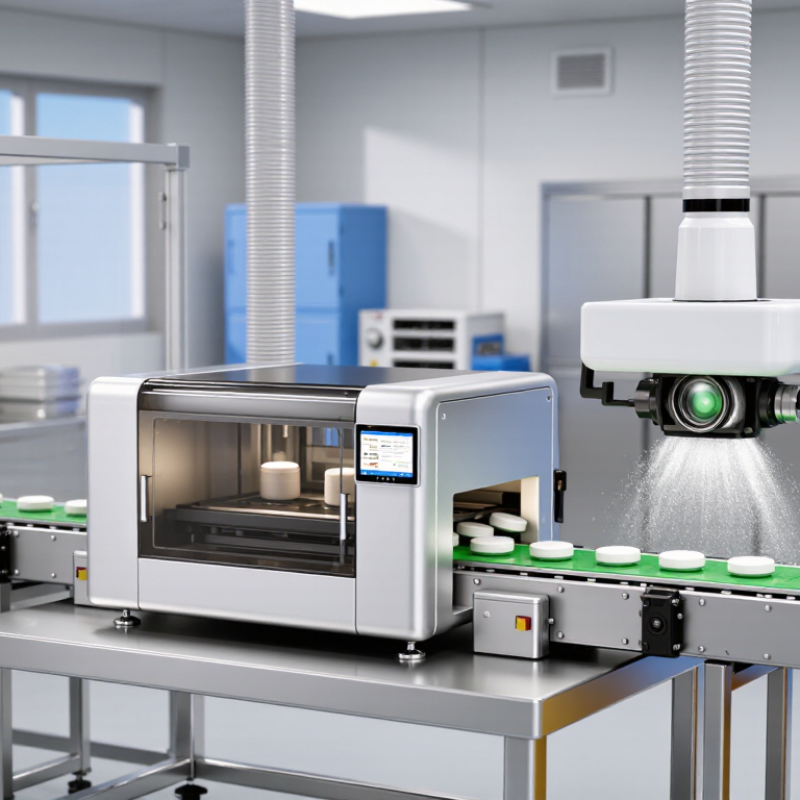
Define the purpose before comparing a pharmaceutical tablet laser machine. Is it intended for tablet identification, batch coding, serialization, or inspection support? Each purpose requires different laser power, wavelength, marking speed, and software controls. A clear use case prevents unnecessary heat exposure, coating discoloration, and unreadable characters.
The WHO report A Study on the Public Health and Socioeconomic Impact of Substandard and Falsified Medical Products estimated that 10.5% of medicines in low- and middle-income countries were substandard or falsified. Reliable marking can strengthen traceability, but it cannot replace process control. Confirm the required code size, contrast, permanence, and reading distance with quality specialists. Small tablets need precise positioning.
Think beyond speed. Verify dust extraction, enclosure safety, recipe management, audit trails, and data integrity controls. The FDA’s Data Integrity guidance emphasizes complete, consistent, and accurate records throughout manufacturing. Request samples using the actual tablet coating and production speed. Inspect them after storage, vibration, and handling. Some marks look excellent on day one, then fade. That weakness deserves attention. Also check whether the machine integrates with existing vision systems and line controls. A fast machine with poor reject handling may create more risk than value.
How to Choose a Pharmaceutical Tablet Laser Machine?
Choosing a tablet laser machine starts with the laser source, not its advertised speed. Fiber lasers at 1064 nm can create sharp marks on suitable surfaces, but their heat may darken or crack sensitive coatings. UV lasers around 355 nm usually produce finer, low-thermal marking. They may suit thin film coatings, although their higher cost requires careful validation. CO2 lasers are often better suited to cartons or labels than direct tablet marking.
Marking method also affects quality. Engraving removes surface material and can improve permanence, but excessive depth may weaken the coating. Surface color change or controlled ablation can produce readable codes with less damage. Test the exact tablet, because titanium dioxide, pigments, sugar coatings, and moisture can react differently. A clear mark is not always a safe mark. Check friability, dissolution, appearance, and chemical stability after marking. In practical trials, operators sometimes focus on contrast and overlook powder buildup around the lens.
Tips: Request samples using real production tablets. Compare contrast, cycle time, heat exposure, and rejection rates. Inspect marks under normal warehouse lighting, not only under bright laboratory lamps. Include extraction and cleaning checks. I would also repeat the test after storage, because a mark that looks perfect today may fade or spread later. A small validation mistake can become a costly batch issue.
| Laser Type | Typical Wavelength | Primary Material Interaction | Recommended Marking Methods | Suitable Tablet Materials and Coatings | Key Advantages | Main Limitations and Risks | Best-Fit Applications |
|---|---|---|---|---|---|---|---|
| Ultraviolet (UV) | 355 nm | Photochemical absorption with a small heat-affected zone; can remove or modify thin coating layers. |
Coating ablation Surface color change Fine engraving |
Film-coated tablets, polymer-based coatings, selected light-colored or heat-sensitive surfaces, and some uncoated compressed tablets. | High marking contrast; fine spot size; low thermal load; suitable for small characters, 2D codes, and detailed logos. | Higher equipment cost; some coatings may show weak absorption; excessive energy can damage the coating or expose the tablet core. | Premium-quality marks, small tablets, high-density data matrix codes, and products requiring minimal thermal impact. |
| Fiber | 1,064 nm | Primarily photothermal absorption; marking depends strongly on pigment, coating chemistry, and surface reflectivity. |
Surface engraving Pigment activation Coating removal Controlled darkening |
Pigmented film coatings, darker or additive-containing coatings, selected foil or metallic packaging surfaces, and some uncoated tablets. | High beam quality; long service life; low routine maintenance; fast scanning; effective on many pigmented surfaces. | May generate more heat than UV; weak contrast on plain white tablets or transparent coatings; reflective surfaces require process validation. | General-purpose pharmaceutical identification where the coating has adequate absorption at 1,064 nm. |
| CO2 | 9.3 or 10.6 µm | Strong vibrational absorption by organic materials, causing localized heating, melting, vaporization, or carbonization. |
Surface ablation Engraving Controlled carbonization Coating removal |
Organic polymer coatings, sugar coatings, paper labels, cartons, and selected non-metallic packaging materials. | Strong absorption by many organic materials; efficient for larger characters and packaging-line coding; widely used for non-metallic substrates. | Larger thermal effect; possible browning, odor, smoke, residue, or coating damage; usually less suitable for fine tablet marks. | Robust marking on organic coatings or secondary packaging where a larger and highly visible mark is acceptable. |
| Green | 532 nm | Visible-light absorption with lower thermal penetration than many near-infrared processes on selected colored materials. |
Surface marking Pigment activation Fine ablation |
Selected colored coatings, pigments, and surfaces that absorb green light more effectively than near-infrared light. | Can provide good contrast on certain colored or reflective materials; potentially reduced heat input compared with longer-wavelength systems. | Material response is highly formulation-dependent; less universal than fiber or CO2 systems; process window may be narrow. | Specialized coatings and products for which UV or fiber wavelengths do not produce adequate contrast. |
| Excimer UV | Commonly 248 or 308 nm | High-energy photochemical ablation with very limited thermal penetration. |
Precision ablation Micro-patterning Thin-layer removal |
Specialized polymer coatings and research or high-precision substrates with validated UV absorption. | Very fine features and low thermal damage when correctly configured; useful for specialized development work. | More complex gas-handling and maintenance requirements; higher operating complexity; uncommon for routine tablet production. | Specialized pharmaceutical development, micro-feature marking, and applications requiring exceptionally controlled ablation. |
| Selection guidance: Choose the wavelength according to the tablet coating's absorption, required contrast, character size, line speed, and acceptable thermal impact. UV is generally preferred for fine, low-heat marks; fiber is a versatile option for absorbent pigmented coatings; CO2 is generally better suited to organic coatings and packaging than to delicate tablet surfaces. Final selection should be confirmed with production samples, visual inspection, code grading, cleaning validation, and stability testing. | |||||||
Choosing a pharmaceutical tablet laser machine requires more than checking its maximum marking speed. Precision comes first. The laser should produce clear characters, stable depth, and readable contrast across different tablet shapes. In factory trials, inspect samples under normal lighting and after coating, handling, and cleaning. FDA Process Validation Guidance recommends measuring performance throughout the process, not only during installation. Record defect rates, readability results, and rejected tablets.
Speed can be misleading. A machine rated at 600 tablets per minute may slow down with complex codes, frequent recipe changes, or dust extraction. PMMI’s 2023 pharmaceutical equipment report highlights automation, flexibility, and shorter changeovers as major investment priorities. Safety also deserves practical attention. Check enclosed beam paths, door interlocks, ventilation, emergency stops, and validated cleaning procedures. Production capacity depends on uptime, feeder stability, maintenance access, and batch size. Calculate effective output, not the brochure number. I have seen fast systems lose hours during difficult changeovers. That weakness is easy to underestimate.
Tips: Request a witnessed test using your tablets and actual code design. Measure accuracy, output, changeover time, noise, and rejected units. Review validation documents and operator training records. Leave capacity for future demand, but avoid paying for speed your line cannot feed. ISO 13849-based safety evaluation and documented risk assessment can support a more reliable purchasing decision. Personal judgment still matters; no report replaces a controlled production trial.
Evaluate precision, speed, safety, and production capacity using a weighted decision model.
The recommended evaluation weighting assigns the highest importance to precision because tablet identification must remain legible and consistently positioned. Safety reflects the need for a fully enclosed Class 1 laser system with interlocks and fume extraction. Speed and production capacity should be matched to the required throughput, tablet format, and planned operating hours.
Choosing a pharmaceutical tablet laser machine starts with its software, not its engraving speed. The interface should record user identity, recipe changes, timestamps, and rejected markings. Audit trails must be searchable and protected from silent edits. This supports 21 CFR Part 11, EU GMP Annex 11, and ALCOA+ data principles. IBM’s Cost of a Data Breach Report 2023 estimated healthcare breaches at 10.93 million dollars on average. That figure makes cybersecurity a production concern.
Check integration during a live line trial. The machine should exchange status, batch, and verification data with the site’s MES, serialization, and vision systems. Test an interrupted network connection. Test a rejected tablet. These small events expose weak interfaces. I would not trust a polished demonstration alone. Operators should complete a simulated batch with gloves, dust, and realistic changeover pressure.
Maintenance planning needs equal attention. Request spare-part lead times, remote diagnostic limits, calibration procedures, and technician response targets. McKinsey’s manufacturing analysis estimates predictive maintenance can reduce downtime by 30–50% and maintenance costs by 20–30%. Those benefits require clean sensor data and disciplined follow-up. Ask for maintenance records, not promises. The machine should support controlled software updates, validated backups, access-level management, and documented change control. A strong supplier also provides installation qualification, operational qualification, training records, and traceable service reports. One overlooked detail remains important: confirm that laser settings, marking quality, and inspection results remain consistent after cleaning and restart.
Supplier evaluation should begin beyond the quotation. Review laser stability, marking speed, vision inspection, dust control, and operator access.
Ask for tablet samples made with your actual tooling and coating. A clean mark is not enough. Check contrast after coating, abrasion testing, and line-speed changes.
Deloitte’s 2024 Smart Manufacturing and Operations Survey found that 86% of manufacturing leaders view smart operations as important to competitiveness. This supports choosing equipment with useful data outputs, not decorative software.
Total cost includes installation, extraction, validation, training, spare lenses, energy, and planned downtime. Request a five-year ownership model.
A cheaper machine may demand costly service visits. Compare guaranteed response times and local technical coverage. Review supplier quality records, change-control procedures, and documented experience with regulated production.
References should describe measurable results, such as reject rates and recovery time.
Validation needs practical evidence. Build a clear URS, then define FAT and SAT tests before purchase.
IQ, OQ, and PQ should confirm safety, repeatability, data integrity, and marking performance across the operating range. FDA’s Process Validation Guidance requires continued process verification, so acceptance should not end at installation.
Electronic records may also require appropriate access controls and audit trails. The weak point is often our own assumptions.
A perfect factory trial can fail when dust, vibration, or hurried operators enter the process.
Long-term support must include retraining, preventive maintenance, software updates, and documented deviation assistance. Test that support before signing.
Fiber lasers at 1064 nm create sharp marks on suitable surfaces. Their heat may darken or crack sensitive coatings. UV lasers around 355 nm usually create finer, lower-thermal marks. CO2 lasers often suit cartons or labels better than tablets.
Engraving removes surface material and can improve permanence. Excessive depth may weaken the coating. Color change or controlled ablation may reduce surface damage. A readable mark is not always a safe mark.
Test tablets containing titanium dioxide, pigments, sugar coatings, or moisture. These materials can react differently to laser energy. Inspect friability, dissolution, appearance, and chemical stability. Small coating differences matter.
Request samples made with real production tablets and actual codes. Measure contrast, cycle time, heat exposure, and rejection rates. Inspect samples under normal warehouse lighting. Bright laboratory lamps can hide weak marks.
Not always. Complex codes, recipe changes, dust extraction, and unstable feeding can reduce output. Calculate effective production capacity, not the brochure number. Fast on paper.
Check enclosed beam paths, door interlocks, ventilation, emergency stops, and cleaning procedures. Confirm that operators receive practical training. Inspect powder buildup around the lens. This detail is easy to miss.
Include installation, extraction, validation, training, spare lenses, energy, maintenance, and planned downtime. Request a five-year ownership estimate. A cheaper machine may need expensive service visits. I would question optimistic estimates.
Define user requirements and acceptance tests before purchase. Verify installation, operation, performance, safety, repeatability, and data controls. Continue checking marks after storage and production changes. Support should include retraining, maintenance, updates, and deviation assistance.
Choosing the right Pharmaceutical Tablet Laser Machine requires a clear understanding of your production goals, tablet materials, marking requirements, and compliance needs. Begin by defining the intended use, including coding, identification, traceability, or decorative marking. Compare suitable laser types and marking methods according to the tablet surface, coating, contrast, permanence, and heat sensitivity. The machine should provide accurate, consistent results while meeting required production speed, capacity, and operational safety standards.
It is also important to review the control software, data management, equipment integration, cleaning procedures, and maintenance requirements. The system should support reliable validation, documentation, and regulatory compliance throughout its service life. When comparing suppliers, consider the complete cost of ownership, including installation, training, spare parts, energy use, and technical support. A dependable supplier should offer clear testing procedures, long-term assistance, and solutions that can adapt to future production changes.